
By: Diana G. Mendoza
Filipino women living with the human immunodeficiency virus (HIV) are hoping for a future for their fellow women where the convenient, twice-yearly injectable prevention medicine, unveiled during the 25th International AIDS Conference (AIDS 2024), becomes available in the Philippines.
“Our community of persons living with HIV are hopeful that infections will stop with us, and we’ll no longer see another HIV infection happening in other women and their children,” said Elena Felix, founding member of the Association of Positive Women Advocates, Inc. (APWAI), a support group in the Philippines.
Scientists disclosed the new HIV prevention drug, called “lenacapavir,” at the AIDS 2024, held from July 22-26, 2024 in Munich, Germany.
With the new drug, Felix said preventing HIV and other sexually transmitted infections (STIs) will be better and more convenient for women and girls. “There will be less hustle and less burden for women who want to prevent infection” once it is approved and distributed in the country, she said, because it is injected every six months, not taken in orally every day.
Currently in the Philippines, Felix said medicines to prevent HIV and other STIs, called pre-exposure prophylaxis (PrEP), are accessible to men who have sex with men and transgender women.
These are two sectors with high HIV cases, some of whom participated in a government research more than five years ago to determine the feasibility of PrEP in in protecting people from contracting the virus if pre-exposed.
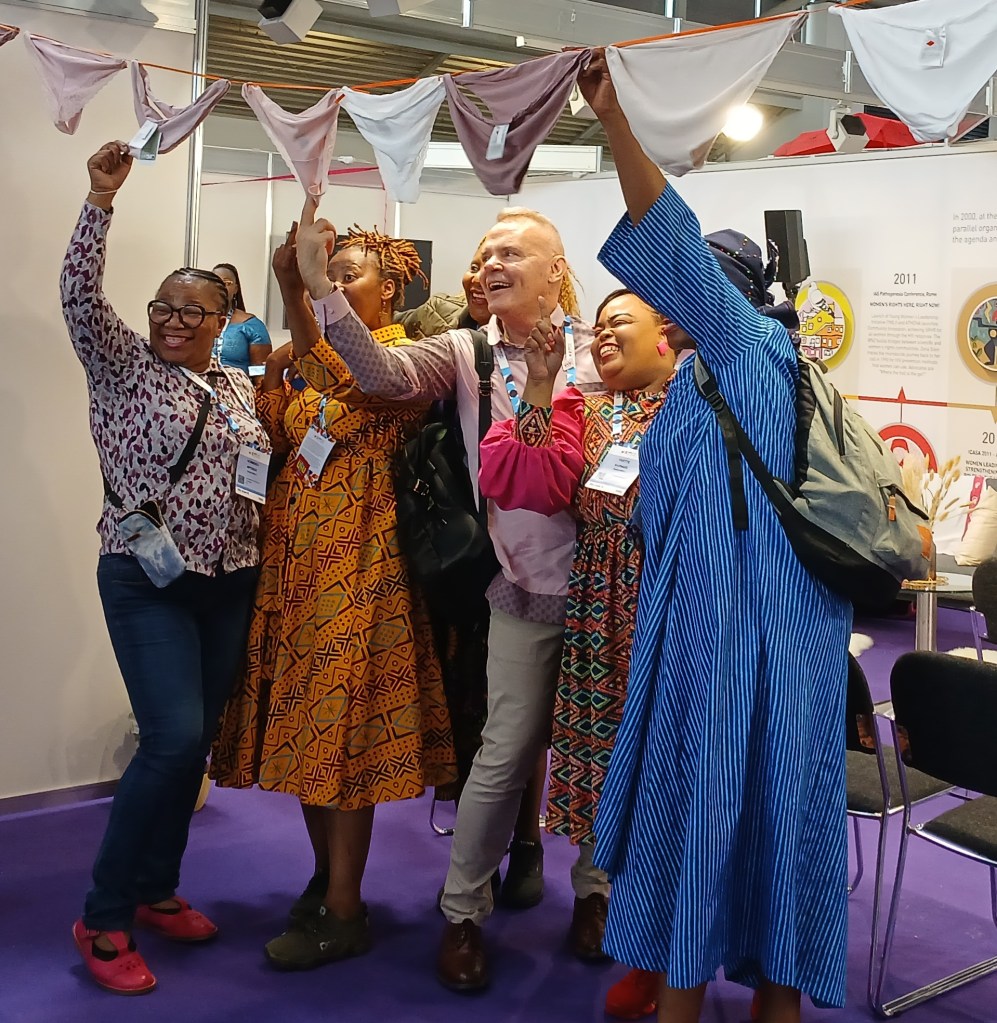
Felix said this treatment is also available but limited to a few women in some clinics. “You see, women are still left behind,” she said. Consultations by health authorities for the guidelines on the use of PrEP are ongoing, and she just attended one in mid-August. The aim is to make the preventive medicines free to all.
For women with HIV like her, she said life is difficult, because they take in daily one tablet of antiretroviral (ARV) drugs that suppress the virus and make life longer for persons living with HIV. The responsibility is greater for women with children who have HIV, as they have to attend to their daily dose of ARVs as well.
Doctors say PrEPs and ARVs are highly effective at preventing HIV transmission when taken as prescribed. Free ARVs and antiretroviral treatments are available only in HIV treatment hubs and facilities recognized by the Department of Health (DOH).

Strides needed for women
Dr. Maria Elena Filio Borromeo, former UNAIDS Vietnam country director who headed the DOH HIV/STI program in the 1990s, said she recognizes that current HIV prevention campaigns may be more intense towards the lesbian, gay, bisexual, transgender (LGBT) and other gender-diverse persons, but she clarified that HIV is a “behavior-driven disease.”
“The focus or intervention should not be on who you are, but on what you do that puts you at risk of HIV,” she stressed, noting the challenges of putting people of all sexes and gender identities into labels.
According to UNAIDS, 53% of all people living with HIV in the world, pegged at 39.9 million in 2023, are women and girls. Some 1.4 million are children aged 0–14 years.
In the Philippines, the DOH, in its December 2023 update of new cases, noted 3,528 males and 210 women, of whom 34 were pregnant during the time of diagnosis. From 1984 to 2023, there have been 126,378 cumulative HIV cases.

Borromeo said there have been strides for women in the HIV campaign, such as the program on the elimination of mother to child or vertical transmission, which she said had been very effective.
“Several countries such as Cuba, Thailand and Malaysia have successfully eliminated HIV through vertical transmission. This is doable,” she said. She said this body of evidence must be utilized in communicating and advocating for more effective HIV programs for women and children.
“Evidence-informed messages are powerful. Showing human faces to these issues by women and children themselves adds so much value in all advocacy initiatives,” she said. “It makes the issues real, and hopefully move people to action.”
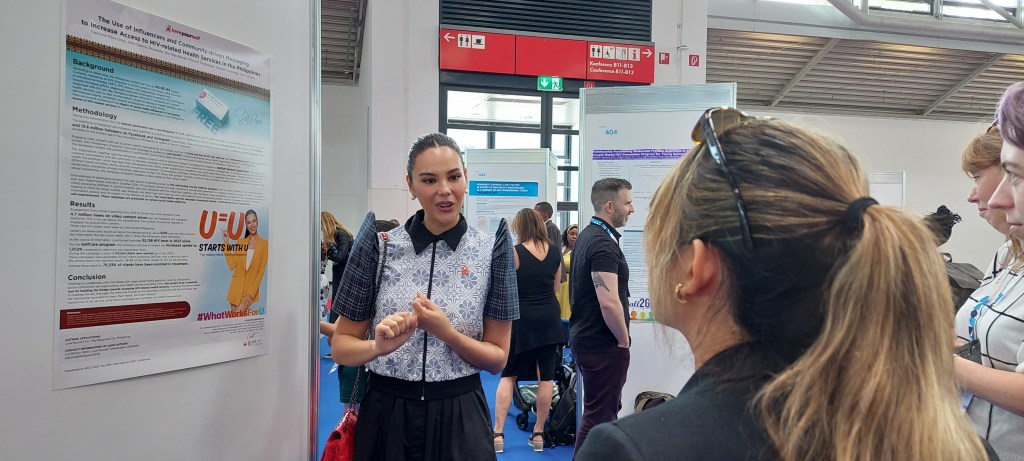
Miss Universe 2018 Catriona Gray, who participated in the conference, suggested that in the Philippines, “it is best to work in the barangays and communities to connect with girls and women” to lessen their burden caused by unequal gender roles.
“We can make up for lack of resources by collaborating with communities and reach as many women and girls as possible, provide information on how to take care of their health and assert their rights,” she told an interview on the sidelines of AIDS 2024.
She said, “It can be a difficult task but if we do it right, we can lessen our time discussing the problematic issues and worrying about the future of women and girls.”
The reality of Filipino women with HIV
A DOH Epidemiology Bureau study, titled “Risks and Barriers to Service Uptake among Women Living with HIV, An Exploratory Study 2020,” noted the steady increase in women diagnosed with HIV from 2015 onwards, and their lower initiation to HIV treatment and retention rates of this treatment compared to males.
The study that explored women’s risks, the events leading to their diagnosis, and their treatment and adherence struggles, interviewed 47 women aged 19-48 diagnosed from 2016 to 2018 from regions with the highest female HIV cases: Metro Manila, Calabarzon and Central Luzon.
“The risks of Filipino women for HIV is an interplay of factors that include their sexual behavior, the sexual behavior of their partner, and the lack of knowledge on HIV prior to diagnosis,” the study said in revealing the results.
Majority of the women reported unprotected sexual intercourse with varying numbers of and relationship ties with sexual partners. Women in steady or married relationships who were unaware of their partner’s HIV status practiced unprotected sexual intercourse stemming from the lack of awareness of their vulnerability to HIV, the study noted.
“Among those with multiple partners, condomless sex was linked to the refusal of their partner to use condoms and the respondents’ inability to negotiate condom use with their partners.”
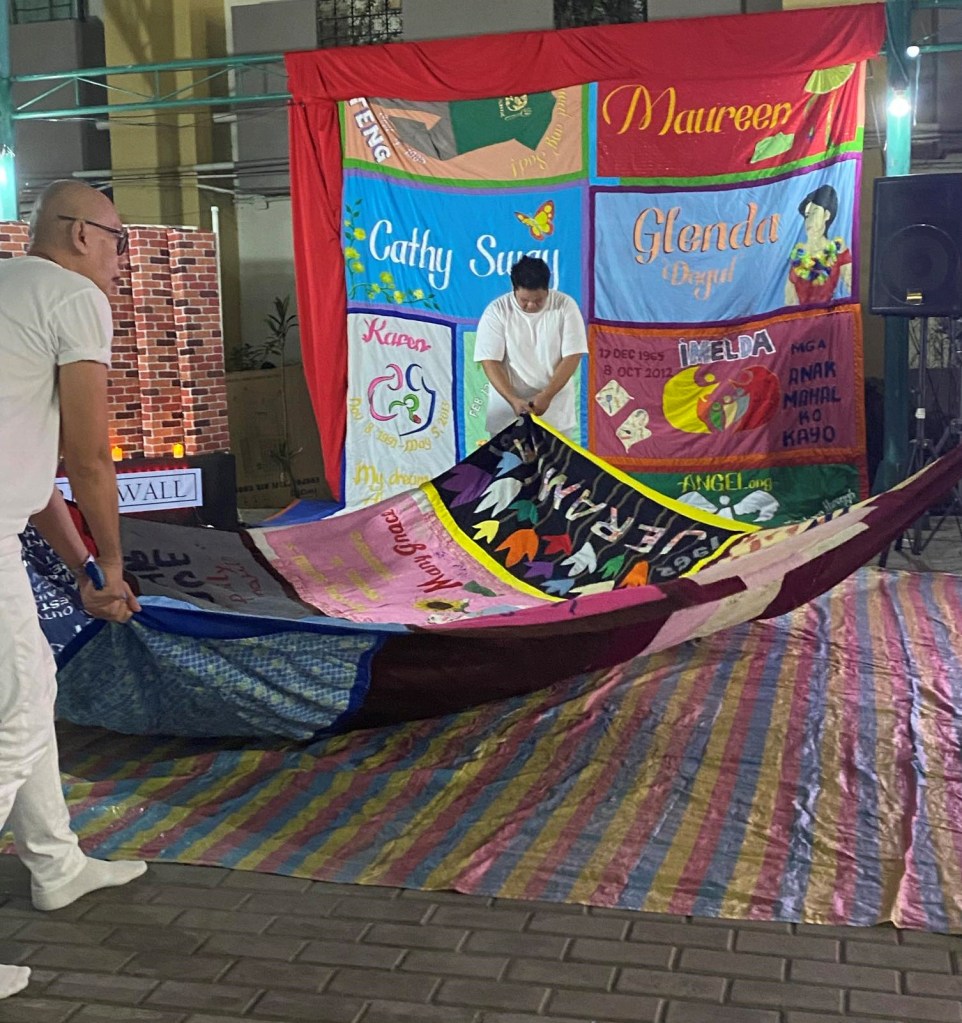
The study noted women’s inadequate awareness on HIV, knowledge and skills to protect themselves and the lack of platforms for them to access information and discuss their sexual concerns, which further compounded their risks.
HIV testing programs for women in the country reach out to the key population groups of “at-risk females” that include pregnant women, female sex workers, overseas workers and those diagnosed with tuberculosis, co-infection of HIV.
But the study showed that women who choose to undergo testing rested on their partner’s HIV status disclosure or if their partners or children show signs and symptoms of co-infections, which explains the majority of late diagnosis in women.
Apart from difficulty of coming to terms with their HIV diagnosis, its implications for them and their families ─ which translated into seclusion and self-stigmatization – women’s experiences of side effects made it difficult for them to adhere to treatment.
“Despite these struggles, women still accessed and continued with treatment,” said the study. “Motivations for this were primarily anchored on their responsibility to survive and live longer for their families.”
“Women remained hopeful for their future,” said the study. Learning from experience, they “encourage other women living with HIV to be optimistic, to learn to accept their diagnosis, and to access and adhere to their treatment.”
They also identified the need to help women with the tools and the skills to protect themselves. Key to this, they said, is increasing HIV knowledge among women.
Read Part 1: https://womenwritingwomen.com/2024/09/01/women-figure-high-but-still-feel-left-out-in-hiv-campaign-part-1/
 Women Writing Women