
By: Diana G. Mendoza
Women and women’s voices may have loomed large in the recently concluded 25th International AIDS Conference (AIDS 2024) in Munich, Germany but they are not always audible when accessing breakthrough treatments and asserting their sexual and reproductive rights.
During AIDS 2024, scientists unveiled a twice-yearly injection that can prevent infection with the human immunodeficiency virus (HIV) on women – so far, the most promising drug in the history of the epidemic.
The new drug, “lenacapavir,” came out of a trial that enrolled more than 5,000 cisgender or heterosexual women aged 16-24, conducted in Uganda and South Africa starting in 2021, and sponsored by the US-based drug firm Gilead. The study had a 100 percent efficacy—not a single woman who received the injections contracted HIV.
Organizers of AIDS 2024, held from July 22-26, 2024, also presented three more persons in addition to two earlier individuals reportedly cured of HIV through anti-retroviral medicines prescribed that help slow down the progression of the infection on persons living with HIV (PLHIVs), combined with stem cell transplants that replace damaged blood cells with healthy ones.

With this breakthrough, the World Health Organization (WHO) said “lenacapavir” is now one of the long-acting pre-exposure prophylaxis or PrEP drugs that prevent infection in women prior and during exposure to the virus. Women will also have more HIV prevention choices.
The WHO said the next step should be to determine its safety on pregnancy and breastfeeding and its efficacy on all women, indicating that women in countries where the trial was conducted, including those in east and southern Africa, continue to experience high HIV incidence and in need of additional effective and acceptable HIV prevention choices.
New trials for the new drug will see how it will work on males. The WHO said governments must now develop guidelines and regulations on the new drug.

Access to women worldwide
Along with the enthusiasm were protests from AIDS 2024 participants demanding for the new drug’s immediate global distribution by licensing it to generic producers to bring the price down for all countries.
Women delegates were more vocal, such as Sarah Mayambala of the Association for the Promotion of Youth (APY) in Uganda that works on education for young people, who said women must be the priority of governments in making the medicine accessible.
“This will perhaps change the landscape of HIV prevention in women, but how come the medicine is distributed only in wealthy countries?” she asked.
While Gilead has yet to give the final costs, experts in the conference said the new drug is currently available in a few wealthy countries, including in the US where it costs US$42,000 (P2.3M) per patient in the first year of treatment. They also said it could cost as low as $42 but only if Gilead breaks the monopoly and allow for the drug’s generic versions.
Scientists said the trial focused on Ugandan and South African women because data shows that sub-Saharan Africa that counts these two countries with 51 others comprise two-thirds of PLHIVs — 25.7 million are in the region out of nearly 39 million worldwide, with a high incidence of 4,000 girls and women newly infected every week.
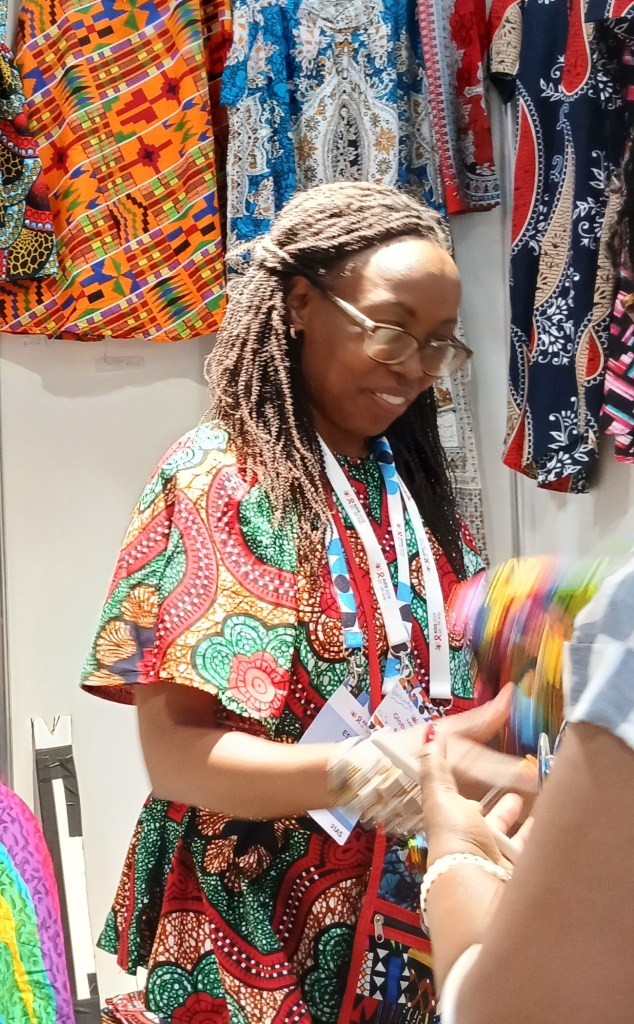
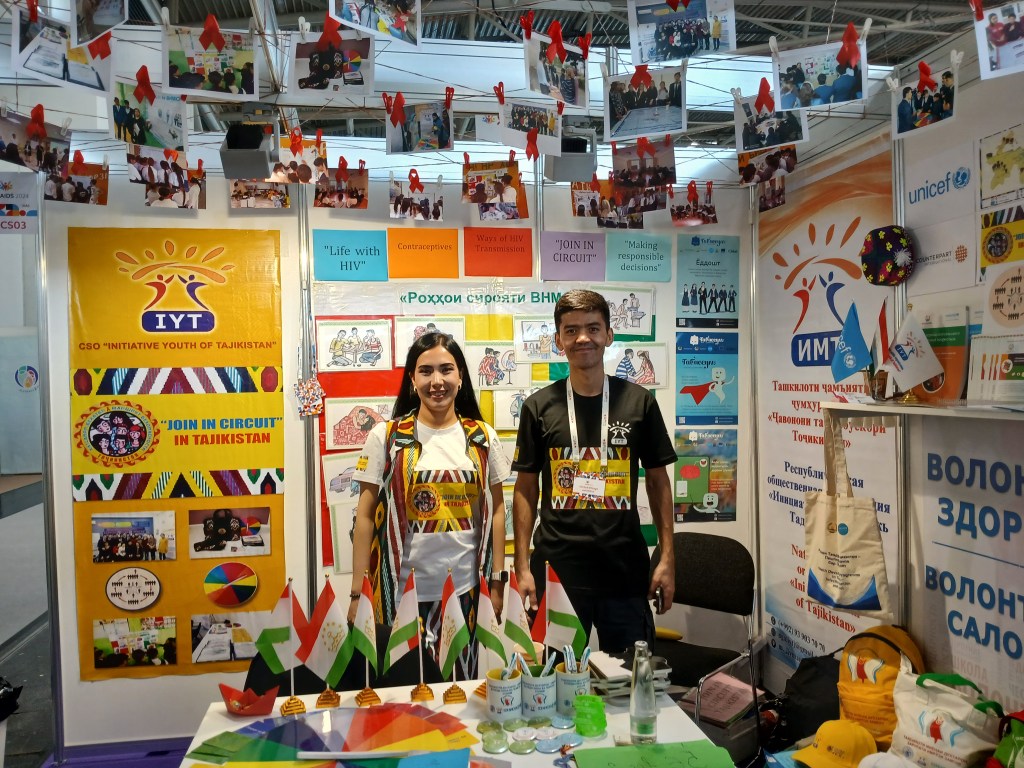
Mayambala said women are most in need of medicines against HIV and other sexually transmitted infections (STIs) because they bear the worst of the epidemic due to their biological makeup and lack of skills in asserting their sexual and reproductive rights.
“Many women who only have one husband or male partner get infected but they are stigmatized for their disease that was not their fault in the first place,” she said. “They are burdened more when they get pregnant and pass on the virus to their babies, adding to their functions caring for infants who also have to be given antiretroviral medication.”
Women’s vulnerabilities
The Joint United Nations Programme on HIV/AIDS (UNAIDS) said women are unduly vulnerable to infection due to their greater body mass that make them the receivers of the virus during “receptive” vaginal or anal sex, which is riskier than the male’s “insertive” role during sexual contact.
“A woman’s unique functions of childbearing and breastfeeding also make them vulnerable. Women with HIV can pass on the virus to their infants during pregnancy, childbirth and breastfeeding through their infected blood and breastmilk.”
UNAIDS said having unsafe or unprotected sex, or sex without a condom, with a male partner who has HIV or STI is the most common mode of virus transmission in women, insisting that when used correctly and consistently, condoms are effective protection methods.
Besides their higher risk of exposure, UNAIDS cited “poor respect for women and girls’ human rights, unequal power relations between men and women and social norms that lessen women’s opportunities.”
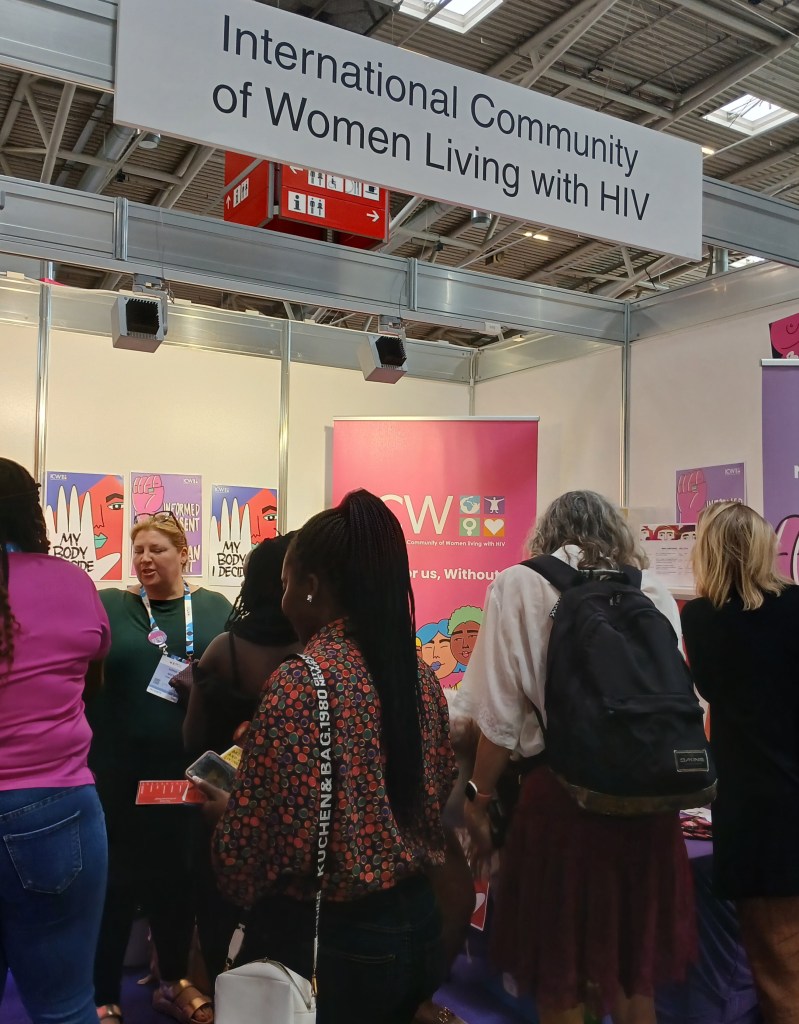
Dr. Maria Elena Filio Borromeo, former UNAIDS Vietnam country director who also headed the Philippine Department of Health (DOH) HIV/STI program in the 1990s, said this reality pushes most women to be silent.
“Perhaps because of fear of being discriminated or put to shame, women infected or affected by HIV remain silent, hiding in the shadows of other people.”
Borromeo said data often show that women get infected from their male partners, but “women remain behind the scenes, expecting that their male partners would amplify their voice, their unique issues and concerns particularly on sexual and reproductive health, in various communication and advocacy platforms.”
‘By women, for women’
Sharon Lewin, president of the International AIDS Society that convenes the biennial AIDS conference, described the results of the trial as “a breakthrough advance with huge public health potential” that, if delivered equitably to those who need and want it, will step up global progress in HIV prevention.
“We all owe a debt of gratitude to the thousands of young women in South Africa and Uganda who volunteered to be part of this study,” Lewin told conference delegates.
But Marsha Martin, coordinating director of the South Africa-based Global Network of Black People Working in HIV, said that since the 1990s when women volunteered in drug trials and asked governments to enact policies that respond to women’s unique reproductive health needs, including HIV prevention, it is the women who remained “uninformed, understudied and hidden” in the crusade against HIV.
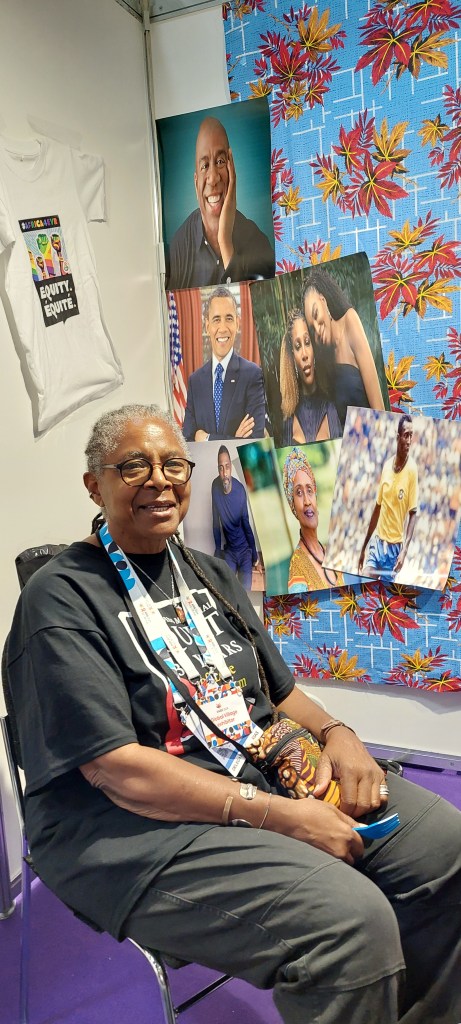
She said female volunteers were crucial in the trial. “By their willingness to take part in the trial, the girls and women made certain that they were making a difference for women,” she said.
Martin said women also took part in studies that successfully resulted in the beginning of PrEP for women, taken to lower their chances of getting HIV infection, especially those at high risk of exposure through sexual contact.
“It’s been more than 30 years and we still have an overwhelming epidemic; we can’t solve the problem alone,” she said.
“We need to listen more to women, study them and make them participate,” Martin said, stressing that in South Africa and many other parts of the world, women are not fully informed about how to protect themselves from HIV.
A call to leaders and governments
For activist Shobha Shukla, founding manager and editor of Citizen News Service, many women do not know that preventive medication exists, and it is the responsibility of governments to inform them and make them available.
She cited the “dapivirine vaginal ring” that is the “first woman-controlled, long-acting HIV prevention method” approved in 2020 but many women do not even know that it exists, let alone use it. It is also not readily available in many countries.
“We have to make available the latest existing tools for HIV prevention to all women and girls and help them increase their negotiating skills to protect themselves,” she said.
Shukla cited the India-based Red Panties campaign for its community-led strategy to help female sex workers navigate safe sex for HIV and STI prevention.“Overcoming social taboos and insisting on safe sex practices is important not just for sex workers, but for all women,” she said. “Women must stop thinking and fearing that it is wrong to demand that their male partners use condoms during sex. We must remove these taboos.”

Nipakorn Nanta, director of the Thai Women Living with HIV Foundation, said that apart from social norms, women endure the stigma when they contract HIV.
“Many pregnant women with HIV are those who are faithful to their husbands and male partners, who they think are also faithful to them,” she said.
These women do not use condoms when they have sexual contact with their male partners, thinking they are safe. “Being faithful is a virtue in any relationship, but the downside is that this doesn’t guarantee women their safety from disease,” she said.
Nanta said women’s lack of power and autonomy over their bodies and sexual behavior deprives them of making correct decisions. “Women have complex roles. They give birth and take care of families but they still have to deal with unfaithful partners, discrimination and lack of informed choice.”

 Women Writing Women